
As an Amazon Associate, we earn a small commission from qualifying purchases — at no extra cost to you.
These amazing benefits of fenugreek hair rinse will ensure that you have good hair growth and healthier locks naturally.
This kitchen spice can be your secret weapon for gorgeous hair. We will tell you all about turning it into a simple rinse, and you will see how these tiny seeds can fight your hair issues and give you smooth and shiny hair!
How to Prepare Fenugreek Hair Rinse
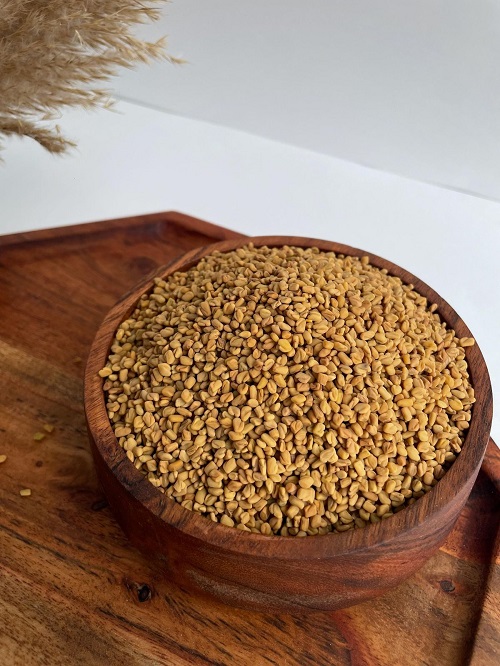
The beauty of the fenugreek hair rinse is how ridiculously easy it is to make. You have to start by soaking 2–3 tablespoons of fenugreek seeds in a cup of water overnight. By morning, the seeds will swell up and release a slippery, gel-like essence that is the star of the show.
Next, strain the soaked water into a clean bowl and keep it aside. This is your magical rinse! If you want extra power, you can blend the soaked seeds into a paste, then dilute it with water for an even richer infusion. Remember that the liquid should have a slightly slimy texture, which is exactly what your hair craves for conditioning.
Pro Tip: Add a few drops of rosemary or tea tree essential oil to your fenugreek rinse for an extra scalp-refreshing boost.
How to Apply Fenugreek Hair Rinse
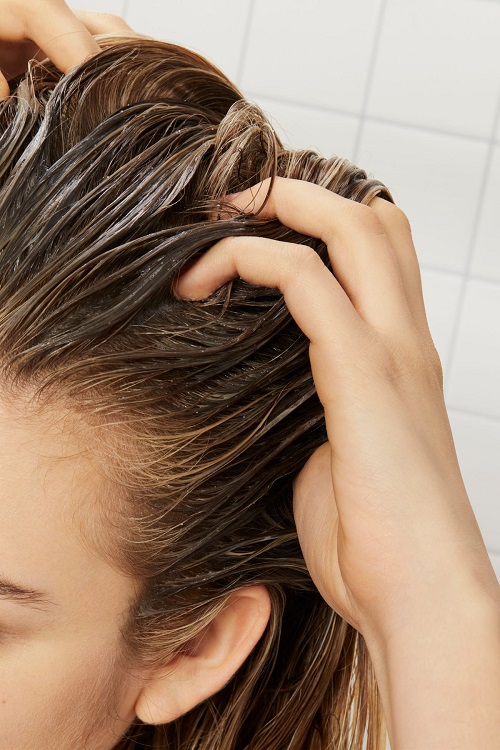
Some hair treatments demand half a spa day, but this rinse is quick and fuss-free. After shampooing, simply pour the fenugreek water slowly over your scalp and hair. Then, massage gently with your fingertips so the liquid reaches the roots and strands evenly.
It is important that you let it sit for about 10–15 minutes, then rinse it off with cool water. You don’t need to shampoo again; the natural rinse works its magic as is.
Pro Tip: Use this rinse 2–3 times a week for best results. If your hair tends to be oily, you can even skip conditioner because fenugreek leaves your strands soft and manageable on their own.
Benefits Of Fenugreek Hair Rinse
1. Boosts Hair Growth

When it comes to speeding up hair growth, fenugreek is a natural powerhouse. It contains compounds like nicotinic acid and lecithin, which nourish the scalp. It is perfect to strengthen your hair follicles and stimulate new growth.
The rinse will also improve blood circulation on the scalp and ensure that hair roots receive more nutrients. Over time, this will reduce shedding and help your mane look fuller and thicker.
2. Tackles Dandruff and Itchy Scalp
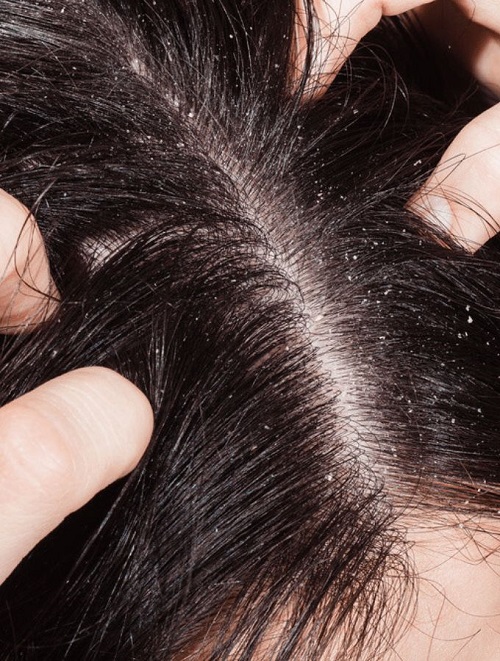
If a flaky scalp is driving you crazy, Fenugreek’s strong anti-inflammatory and antifungal properties will calm your irritation and fight off the yeast responsible for dandruff. The mucilage (that gel-like texture) coats the scalp, while soothing dryness and itchiness.
The bonus is that, unlike chemical dandruff shampoos, the fenugreek rinse is gentle enough for sensitive scalps, so you won’t strip your skin dry.
Pro Tip: Warm up the fenugreek rinse slightly before using it in winter — the mild heat enhances scalp circulation and feels incredibly soothing on a cold day.
3. Adds Shine and Softness
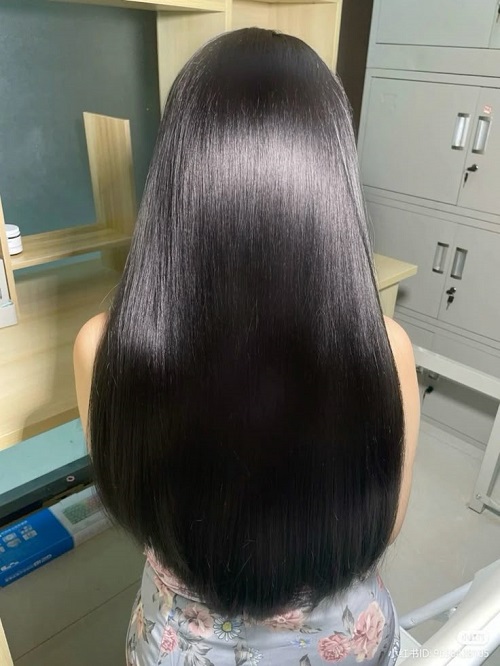
Sometimes your hair can look more like straw than silk, and fenugreek rinse can save the day. Its natural saponins act like mild cleansers, which remove product buildup while leaving behind a glossy finish.
It is because that slippery mucilage acts as a natural conditioner, which detangles strands and adds shine. The result is Softer hair that feels bouncy and looks radiant without needing expensive serums.
4. Strengthens Roots and Prevents Breakage
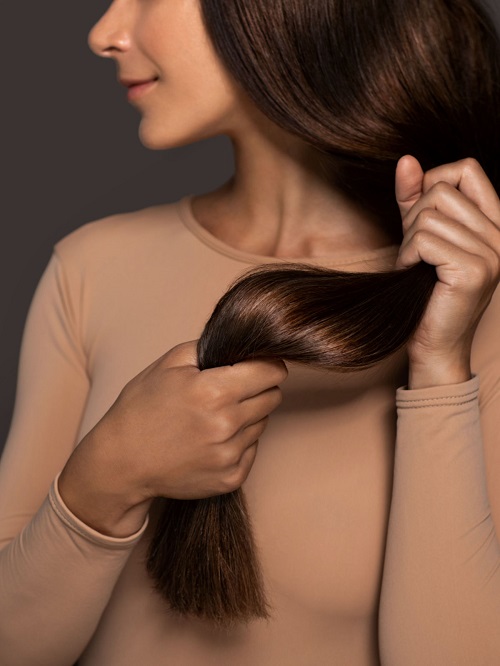
Do you have weak and brittle hair that breaks at the slightest tug? Fenugreek rinse builds resilience from the roots as it is loaded with proteins and iron, both of which are crucial for strengthening hair strands and preventing split ends.
By fortifying the cuticle layer, fenugreek will reduce breakage and make hair more elastic. Stronger roots mean fewer strands on your hairbrush and more staying power on your head.
Pro Tip: Mix a teaspoon of aloe vera gel into your fenugreek rinse once in a while. Aloe adds an extra dose of hydration and makes the strengthening effect even more powerful.
Adding fenugreek rinse to your routine is an easy, natural way to revive dull hair and strengthen it from root to tip. Try it consistently, and you will see why this age-old remedy is making a modern comeback.