
As an Amazon Associate, we earn a small commission from qualifying purchases — at no extra cost to you.
Let’s unveil the confusion between the two powerful oils —baobab oil vs castor oil and see which one deserves a place in your beauty regimen!
If you are caught between two powerhouse oils and don’t know which one deserves a spot in your beauty routine, we are here to help! Knowing their properties can save you from disappointment and help you get the best results.
Baobab Oil vs Castor Oil: Let’s Meet The Oils First!
1. Baobab Oil
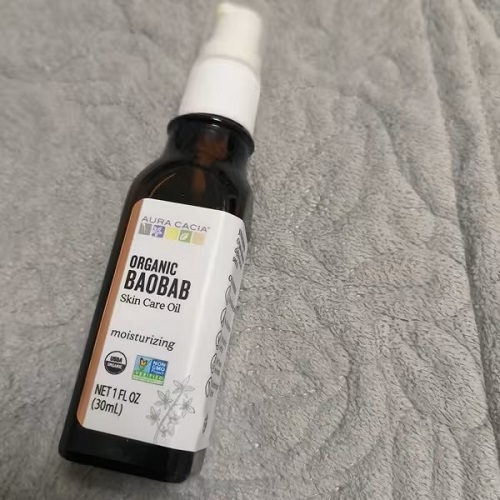
Baobab oil is derived from the seeds of the baobab tree, famously called the “Tree of Life,” native to Africa. It’s rich in vitamins A, D, E, and F, along with omega-3, 6, and 9 fatty acids, which makes it an excellent moisturizer and skin-repairing agent.
This lightweight oil penetrates easily without leaving a greasy film, making it a favorite for skin hydration and hair nourishment.
2. Castor Oil
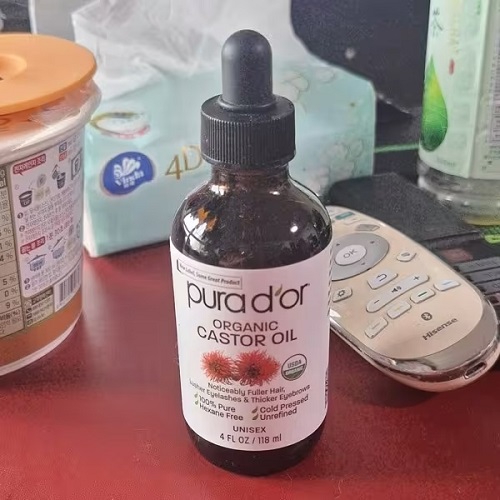
Castor oil is known for its thick consistency and powerful hydrating effect. It contains ricinoleic acid, which gives it antimicrobial properties and makes it highly effective in promoting hair growth and reducing inflammation.
The oil isn’t like baobab and is dense and forms a protective layer, perfect for sealing in moisture and strengthening hair follicles.
Baobab Oil vs Castor Oil: The Differences!
1. Source and Extraction
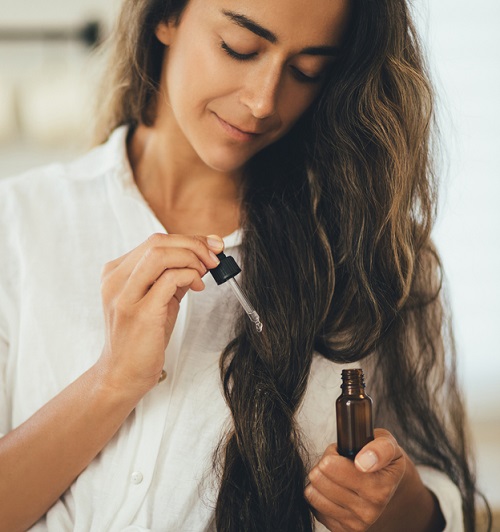
Baobab oil is produced by cold pressing the seeds of the baobab fruit. This oil retains all its natural vitamins and antioxidants. Its gentle extraction process ensures that no nutrients are lost, which is why it is a premium oil for skincare and hair care.
Castor Oil is extracted using cold pressing as well, though some versions are processed with heat (Jamaican black castor oil). However, hexane-free varieties for maximum purity and effectiveness are the best choice.
2. All The Benefits
Baobab oil shines in moisturizing and repairing dry or irritated skin. Its omega fatty acids will help you maintain elasticity and reduce the appearance of fine lines. For your hair, it will soften strands and tame your frizz.
On the other hand, castor oil is a superstar for boosting your hair growth and nourishing hair roots. It is also beneficial for eyebrows, eyelashes, and scalp health. On the skin, it acts as an intense moisturizer and helps soothe inflammation.
3 Texture Of The Oils

Baobab oil has a very lightweight texture. Which means it absorbs fast and doesn’t have a greasy touch. Unlike castor oil, which is quite heavy and thick, it usually takes longer to absorb!
Baobab is perfect for daily skincare and as a leave-in hair treatment, whereas castor oil provides deep hydration and is best used as an overnight treatment or blended with lighter oils for easier application.
4. Different Uses Of The Oils
Baobab oil is ideal for those with sensitive, dry, or mature skin. It’s great if you want a non-greasy option for daily hydration or lightweight hair oiling.
Again, if you have dry, coarse, or damaged hair, castor oil should be your go-to option. However, don’t overuse it because too much oiliness might lead to oil buildup and a heavy texture!
How to Use Baobab and Castor Oil?

You can apply a few drops of baobab oil onto damp skin as a moisturizer or just add a few drops to your moisturizer and use it every day! Yes, it is so lightweight.
But when it comes to castor oil, you have to massage it onto your scalp and leave it overnight, and it is actually best for overnight use mostly! Plus, you can use it on eyebrows and lashes, too.
The Verdict? If you want a lightweight oil for glowing skin and frizz-free hair, Baobab oil is your go-to option. But if your main goal is thicker, stronger hair and faster growth, Castor oil is the clear winner.
Some people even combine the two for daily hydration and for targeted hair growth treatments.