
As an Amazon Associate, we earn a small commission from qualifying purchases — at no extra cost to you.
Can you use tea tree oil on your face overnight, or will it end up doing more harm than good? Let us find out in detail.
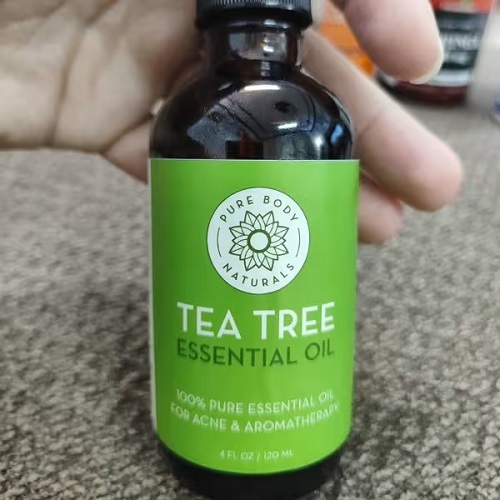
Famous for its potent antibacterial and antifungal properties, tea tree oil is often hailed as a miracle worker for acne and blemishes. However, because it’s highly potent, applying it overnight raises questions, which this article will address.
All You Need to Know About Tea Tree Oil
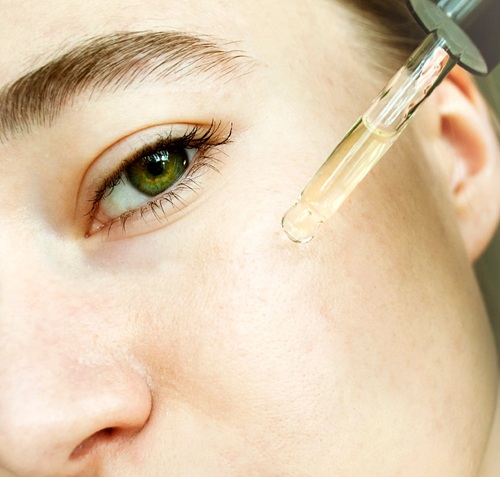
Tea tree oil is extracted from the leaves of the Melaleuca alternifolia plant, which is native to Australia. It is a concentrated essential oil rich in terpinen-4-ol, a compound known to kill acne-causing bacteria and reduce inflammation.
This makes it a popular ingredient in skincare products targeting breakouts, fungal infections, and oily skin issues. Unlike carrier oils, tea tree oil is not meant to be used undiluted over large areas, as it can cause dryness or irritation. However, when diluted with a gentle base oil, it becomes a powerful yet skin-friendly solution for targeted skincare.
Can You Use Tea Tree Oil on Face Overnight?
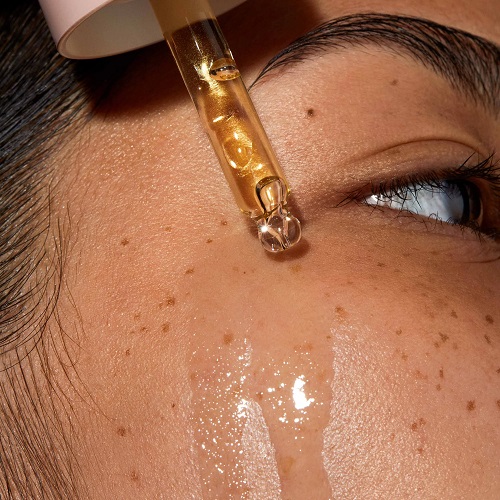
Yes, but only if you dilute it first. Applying pure tea tree oil directly to your skin can cause redness, itching, or even chemical burns. When you mix it with a carrier oil, it can work overnight to calm inflammation, fight acne, and prevent new breakouts from forming.
Tea Tree Oil is effective for those with oily or acne-prone skin, as it helps regulate oil production while targeting bacteria that cause blemishes. By morning, you may notice reduced redness, smaller pimples, and a fresher complexion.
Pro Tip: Mix one drop of tea tree oil with two teaspoons of aloe vera gel for a soothing overnight treatment.
Benefits of Using Tea Tree Oil on the Face Overnight
1. Fights Acne and Breakouts
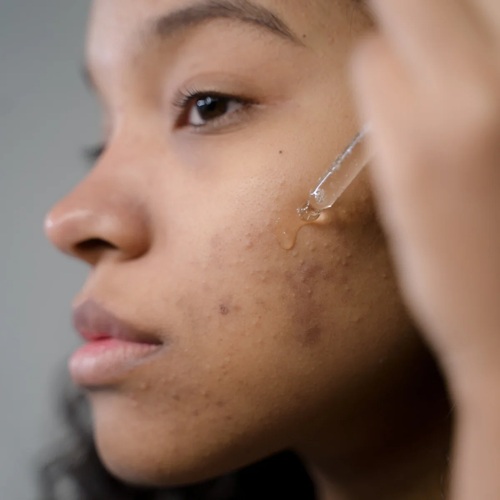
As mentioned, tea tree oil is a natural antibacterial and antiseptic agent, which makes it one of the most effective essential oils for tackling acne. When you apply it overnight in diluted form, it helps kill Cutibacterium acnes, the bacteria responsible for breakouts.
The long contact time while you sleep allows the oil to work deep within pores, unclogging them and reducing inflammation.
Pro Tip: Use a cotton swab for spot application to avoid unnecessary contact with unaffected skin.
2. Reduces Redness and Swelling
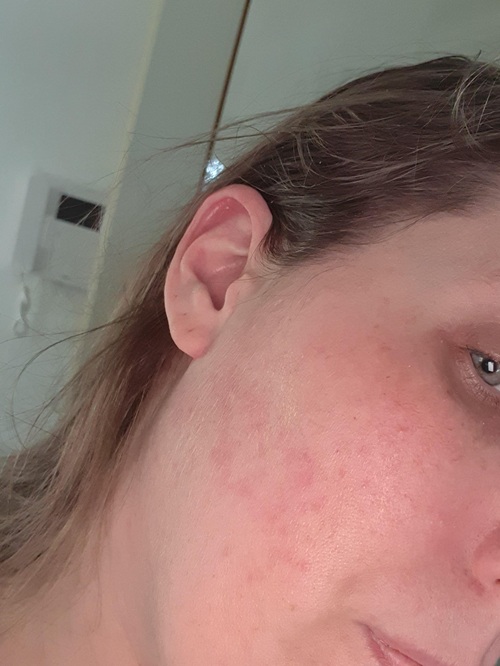
The anti-inflammatory nature of tea tree oil helps calm redness and swelling caused by acne or minor skin irritations. Overnight use gives it hours to soothe your inflamed skin and promote healing.
This can help even out skin tone and make blemishes appear less angry by morning. Store diluted tea tree oil in the fridge for a cooling effect that instantly relieves puffiness.
3. Prevents Future Breakouts
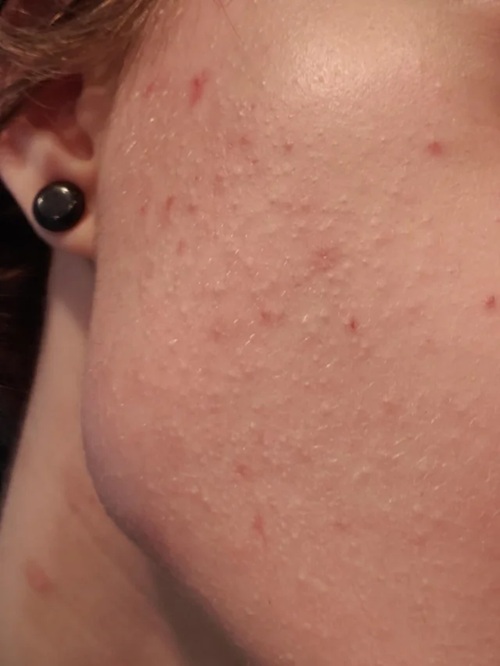
Tea tree oil will help you stop clogged pores before they turn into pimples by regulating excess oil production. Its antimicrobial properties create a less hospitable environment for bacteria, which means fewer new spots over time.
When used consistently, it enhances overall skin clarity and reduces the need for heavy acne treatments.
Pro Tip: Pair tea tree oil with a gentle, non-comedogenic moisturizer to keep skin balanced.
4. Speeds Up Healing of Minor Cuts and Blemishes
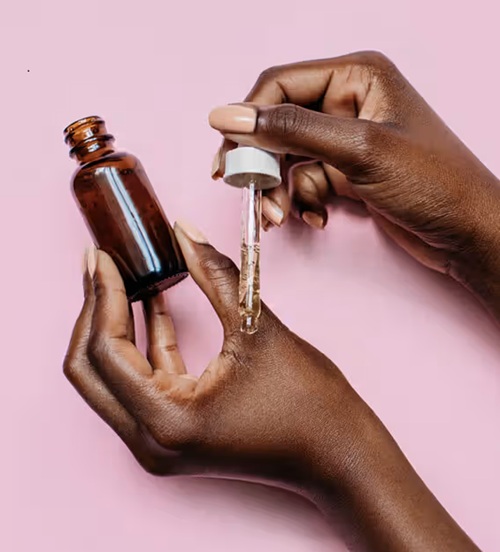
If you have a popped pimple or a small cut, tea tree oil can help speed up recovery thanks to its antiseptic and tissue-repairing qualities. Apply a diluted solution overnight to protect the area from bacteria and support the skin’s natural regeneration process.
You can combine tea tree oil with a drop of honey for extra antibacterial power and hydration.
5. Controls Oily Shine While You Sleep
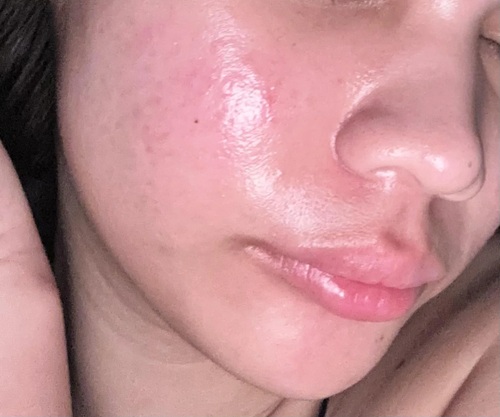
For people with oily skin, tea tree oil is a great nighttime solution because it helps balance sebum levels. Over time, this can minimize shine during the day and reduce the appearance of enlarged pores.
Applying it before bed means you wake up with a fresher, less greasy complexion.
How Often Can You Apply Tea Tree Oil on Your Skin?
For most people with acne-prone or oily skin, using diluted tea tree oil 2–3 nights a week is ideal. If you have sensitive or dry skin, start with once a week to check for any reactions. Remember that overuse can lead to dryness or peeling, so constantly monitor how your skin responds.
Tea tree oil is stable but can lose potency when exposed to light and air. It is best to store it in a dark, tightly sealed glass bottle. With proper storage, it can last up to 2 years without losing its benefits.
Precautions to Take
Always dilute before use, as tea tree oil is highly concentrated and can irritate skin if applied neat.
Patch test first to rule out allergies or sensitivity.
Avoid using on large areas and stick to spots or affected zones for targeted treatment.
Never ingest tea tree oil as it is toxic when swallowed.
Keep away from eyes and mucous membranes to prevent stinging or burning.
Pro Tip: If irritation occurs, stop use immediately and apply a soothing oil like jojoba or sweet almond to calm the skin.
Follow this guide for best results and let us know how it helped in the comments below.