
As an Amazon Associate, we earn a small commission from qualifying purchases — at no extra cost to you.
Does castor oil go bad over time? Find out the spoilage signs and some quick storage tips to ensure its longevity!
Castor oil is used in a variety of applications, including hair masks and skincare products, as well as for soothing pains. However, the question about its spoilage prompts us to stare suspiciously at that half-used bottle, which is why it is time to find out if it goes bad over time.
Chemical Composition of Castor Oil and Stability
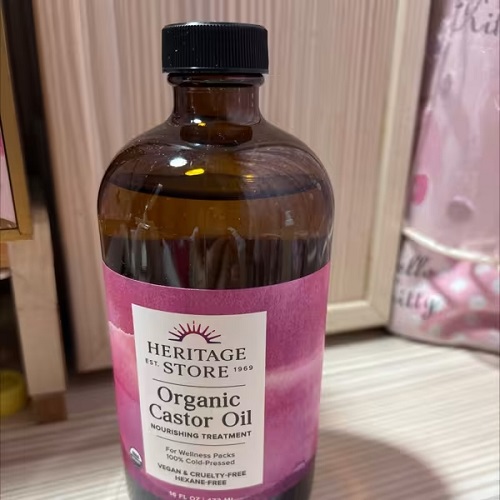
The real reason castor oil lasts longer than most kitchen or cosmetic oils lies in its chemical makeup. About 90% of its fatty acids are ricinoleic acid, a unique monounsaturated fat that gives castor oil its thick texture, medicinal properties, and impressive shelf life.
Unlike flaxseed or walnut oil that go rancid at the speed of light, ricinoleic acid keeps castor oil relatively stable. It’s almost like a built-in preservation system. Small amounts of oleic acid (2–6%) and linoleic acid (1–5%) are present too, but they don’t change the story much.
Fun fact: Because of its stable structure, castor oil has even been used in industrial applications like lubricants and coatings, so if it can handle machines, you can bet it lasts a while on your bathroom shelf!
Does Castor Oil Go Bad Over Time?
Yes, it does, but not as quickly as you might think. Sealed and stored properly, your castor oil bottle can last anywhere from 2 to 5 years unopened. That’s a lot longer than the average cooking oil in your pantry.
Once opened, however, the countdown begins. Exposure to air, heat, and light starts to chip away at its quality. You can usually expect about 12 months of prime use before it starts to lose its magic. After that, it won’t necessarily be dangerous, but it may be less effective, and nobody wants to smear lackluster oil on their skin or hair.
Think of it like this: unopened castor oil is like a fine wine waiting in the cellar, but once you pop the cork, the clock is ticking.
Signs of Castor Oil Spoilage

Recognizing the signs of deterioration will ensure you’re not using an expired product, which could be less effective and compromise its intended applications.
Odor Changes: A significant change in odor is often the first clue. Fresh castor oil has a mild, somewhat nutty, or earthy aroma. If the oil develops a rancid or sour smell, it indicates that the oil has begun to oxidize and should not be used.
Color and Clarity: Fresh castor oil has a clear, pale yellow appearance. If you notice that the oil has discolored to a darker hue or has become cloudy, it’s a sign that the oil’s quality has declined. This is often due to the breakdown of the fatty acids and potential microbial growth.
Altered Texture: The consistency of fresh castor oil should be smooth and relatively thin. Observing a thicker, lumpier texture indicates spoilage or crystallization, often occurring due to prolonged exposure to low temperatures or air.
Presence of Mold: Though uncommon due to castor oil’s antimicrobial properties, mold can still develop, especially if the oil has been contaminated using unclean applicators or stored in a humid environment. Mold is a definitive sign that the oil should be discarded immediately.
Quick Castor Oil Storage Tips
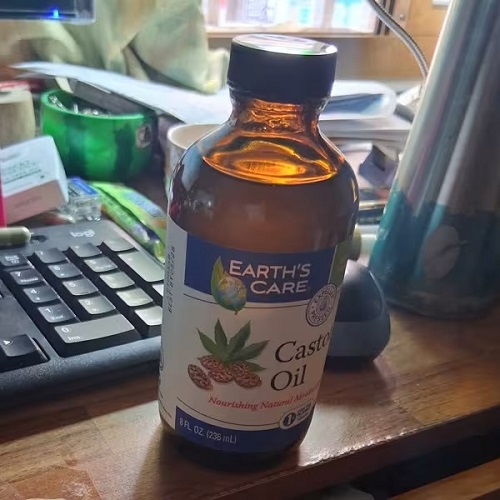
- Opt for a dark-colored glass bottle or jar with an airtight lid to protect the oil from light and air.
- Keep the oil at a stable room temperature, ideally between 60-75F (15-24C).
- Mark the date of purchase and the date of opening on the bottle to keep track of its age and expected shelf life.
- Consider refrigerating the oil in hot or humid climates to extend its shelf life. This can make the oil thicker, so it may require warming before use.
- Periodically examine the oil for changes in smell, color, and texture to ensure it remains in good condition.
- Keep the oil separated from strong-smelling substances or chemicals to avoid cross-contamination.
Castor oil may not last forever, but with proper storage, it can remain fresh for far longer than most oils. However, don’t forget to keep an eye on its smell, color, and texture!