
As an Amazon Associate, we earn a small commission from qualifying purchases — at no extra cost to you.
Discover the remarkable benefits of sage essential oil and how it can transform your health and lifestyle for good!
Sage oil is all-round stuff. It might be your new best friend if you struggle with multiple health issues. Let’s learn about its diverse uses and how it can support your natural wellness journey.
Chemical Constituents Of Sage Oil
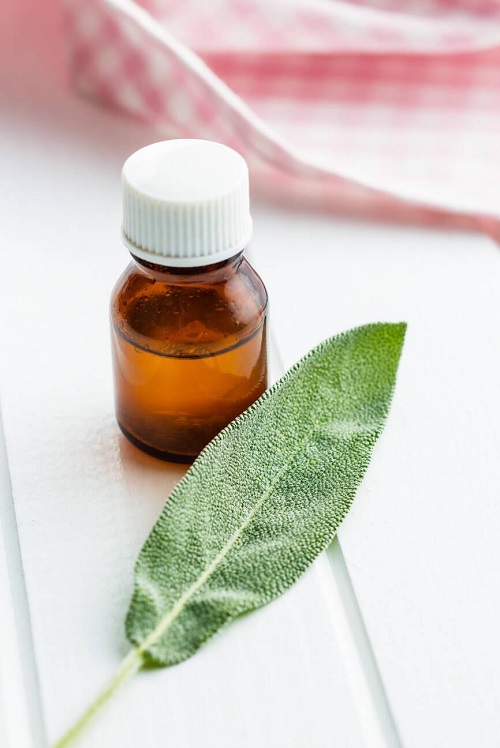
Following are some components of sage oil that make it a fabulous and sought-after oil:
1. Alpha & Beta Thujones: These are basically monoterpenes, thought to contribute to sage’s cognitive benefits. They help enhance focus and memory, although high doses can have a laxative effect, so dilution is necessary before consumption.
2. Cineole: This refreshing compound provides a welcoming eucalyptus-like aroma. Cineole is known for its potential to ease congestion and promote clear breathing.
3. Camphor: This component boosts circulation and helps soothe sore muscles. Sometimes, camphor can be irritating to some, so a patch test is recommended before use.
4. Linalool: This calming floral component contributes to sage’s relaxing properties. Linalool is often used to promote restful sleep and ease anxiety.
Sage Essential Oil Benefits

1. Refines Skin Tone
The astringent properties of sage oil help tighten pores and minimise the appearance of blemishes. When diluted and used topically with a carrier oil, it can soothe irritation and promote a more even skin tone. If you’re looking forward to integrating this oil into your skincare routine, then do it immediately, without ado.
2. Used For Aromatherapy
Sage oil has remarkable relaxing properties. When used in aromatherapy, its calming aroma eases symptoms of anxiety and improves mood. You can incorporate sage oil in your diffuser for more quick effects.
3. Improves Heart Health
This is an exciting area of ongoing research. Studies suggest that sage oil has potential benefits for heart health, possibly by supporting healthy blood pressure and circulation and influencing blood vessel function.
4. Medicinal Benefits
Sage essential oil holds promise for various medicinal applications, but it’s important to consult a healthcare professional before use. Early research suggests it may help with sore throats, ease menstrual cramps, and even support cognitive function.
5. Antiseptic Properties
Sage essential oil’s natural antimicrobial properties make it a potential aid in wound healing and preventing the growth of bacteria. Always remember that its potency never allows direct application.
6. Anti-Spasmodic Property
If you’re feeling achy, then sage oil can’t be your new best friend. This magical oil has anti-spasmodic properties, potentially helping to relax muscles and ease pain and cramps. It acts as a natural muscle relaxant, calming unwanted spasms.
7. Rich In Vitamin K
Vitamin K plays a heroic role in blood clotting and bone health. Gentle massages on bones help keep them stronger. While not a replacement for dietary sources, sage oil’s vitamin K content adds another dimension to its potential benefits.
8. Maintains Oral Health
Sage oil’s antimicrobial properties can be the reason behind your smile. This oil maintains good oral health by helping combat bacteria in the mouth, potentially promoting healthy gums and fresher breath.
How Do You Use Sage Oil?

Sage essential oil offers a range of potential benefits, but it’s important to use it safely. Here are some methods for incorporating sage oil into your wellness routine:
1. Diffusion
This is a popular and versatile way to experience the benefits of sage oil. Add a few drops (3-5) to a diffuser with water and let the aroma fill the room. Inhaling the diffused oil can help promote relaxation, improve mood, and potentially ease congestion.
2. Topical Application
Sage oil can be applied topically for localized benefits, but dilution is essential. Mix 2-3 drops of sage oil with 1 teaspoon of carrier oil (like jojoba, almond, or grapeseed oil). Apply the diluted mixture to desired areas like the temples for headaches, sore muscles, or achy joints.
3. Bath Soak
Create a relaxing and potentially pain-relieving bath by adding 5-7 drops of sage oil to a running bath with warm water. Disperse the oil by mixing it with a carrier oil or bath salts beforehand.
4. Steam Inhalation
For respiratory issues or congestion, try a steam inhalation with sage oil. Add 1-2 drops of sage oil to a bowl of hot (not boiling) water. Drape a towel over your head and inhale the steam for 5–10 minutes, keeping your eyes closed.
5. DIY Cleaning Spray
Sage oil’s antimicrobial properties can be harnessed for natural cleaning. Mix 10–15 drops of sage oil with water and a tablespoon of white vinegar in a spray bottle. This can be used as a surface cleaner for countertops or doorknobs.
Important Precautions To Keep In Mind
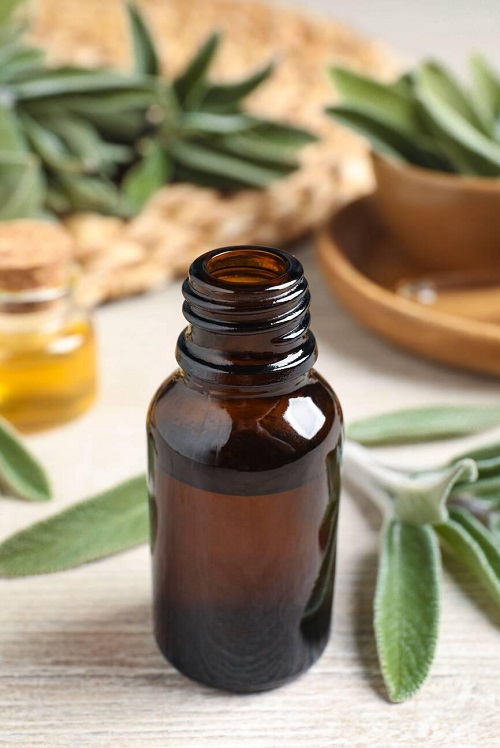
By following the below-given safe practices, you can harness the real potent benefits of sage essential oil:
- Never apply sage essential oil directly to your skin undiluted. It can be irritating and cause burning.
- Perform a patch test before widespread use. Apply a diluted mixture to a small area of your inner arm and wait 24 hours to check for any allergic reaction.
- Sage oil may interact with certain medications. Consult your doctor before using sage oil if you have any underlying health conditions, are pregnant, or are breastfeeding.
- Keep sage oil out of reach of children and pets.