
As an Amazon Associate, we earn a small commission from qualifying purchases — at no extra cost to you.
Here is an effective and beginner-friendly routine to repair your skin barrier at home using simple steps and barrier-boosting products.
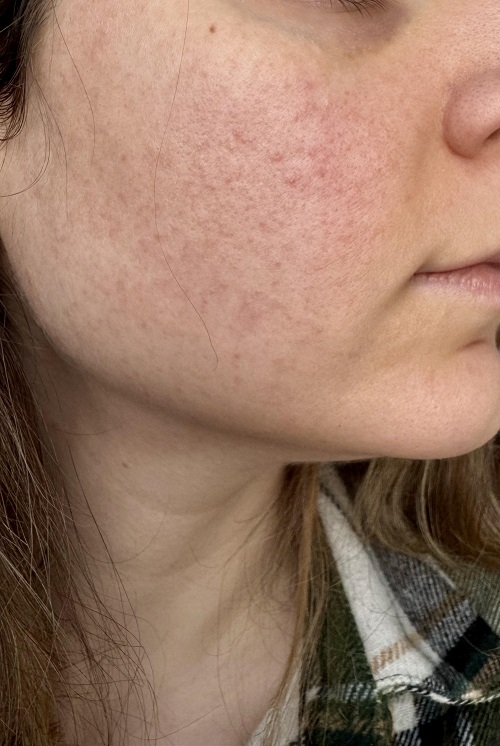
A damaged skin barrier can leave your face feeling dry, irritated, and more reactive than usual. Luckily, you don’t need complicated products or dermatology-level treatments to fix it, just a smart routine mentioned below that supports healing.
Skin Barrier Repair Routine at Home
1. Start With a Low-pH Gentle Cleanser
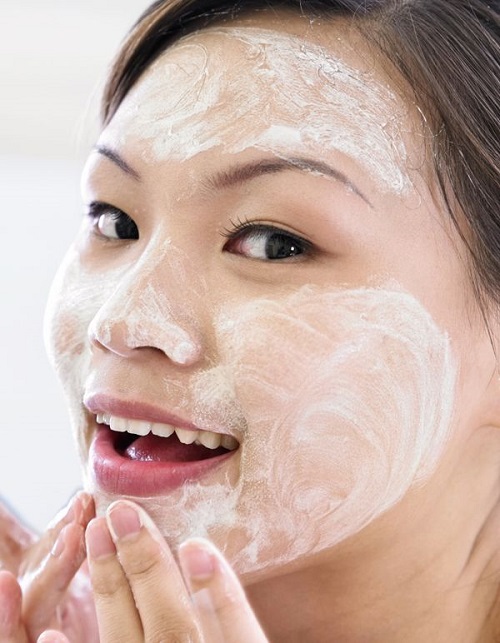
This step is like giving your skin a calm reset after a long and stressful day. A low-pH cleanser will protect your skin’s natural acid mantle, while preventing dryness and helping good bacteria stay where they belong. This will make cleansing a supportive step instead of a stripping one.
You can use a gentle formula with ceramides or hydrating agents like glycerin that cleans without damaging the lipid layer. If your skin stings immediately after washing, that’s a sign your cleanser is too harsh, and you need to switch to a mild one.
Pro Tip: Avoid foaming cleansers with sulfates; your barrier will thank you by not flaring up.
2. Use a Barrier-Supporting Toner
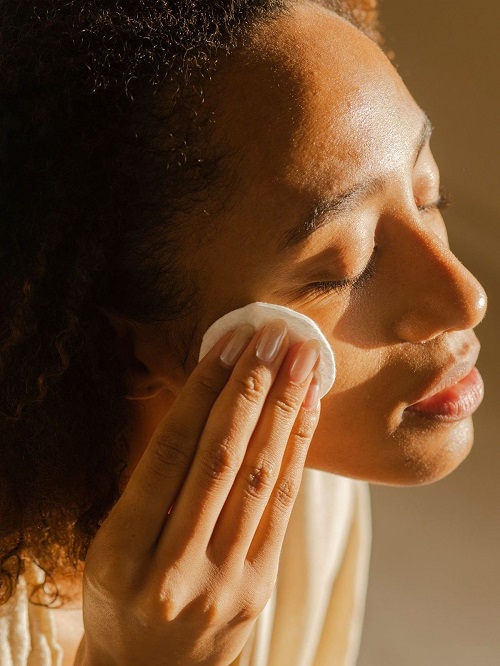
Starting this step sets the tone for how the rest of your routine sits on the skin. A hydration-rich toner will prep your skin to better absorb serums and moisturizers, while keeping the barrier flexible instead of flaky.
Look for toners with panthenol (B5), centella, oat extract, or hyaluronic acid. These will calm inflammation while drawing moisture deeper into your skin. You will notice smoother and less tight skin within a few uses.
3. Add a Ceramide or Niacinamide Serum

Jumping into this step will give your skin the actual building blocks it needs for repair. Ceramides mimic your skin’s natural lipids, while filling in the cracks caused by over-exfoliation or dehydration.
Niacinamide, on the other hand, will boost ceramide production, which strengthens the moisture barrier and improves overall texture. When you use it consistently, it helps the skin regain resilience and bounce.
4. Seal Everything In With a Moisturizer
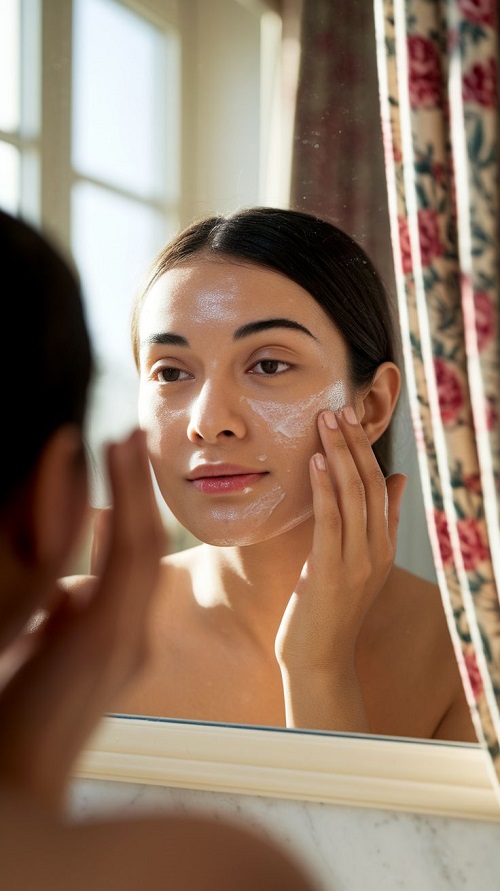
It is like wrapping your skin in a cozy blanket. Your moisturizer should be rich in ceramides, cholesterol, and fatty acids, which are also called the “holy trinity” of barrier repair. It will lock in hydration and help your skin rebuild overnight.
Creams with squalane, shea butter, or urea (low percentage) will soften those rough patches and reduce transepidermal water loss. With consistent use, you will notice fewer dry flakes and more supple skin.
Pro Tip: Look for moisturizers labeled “barrier repair,” “recovery cream,” or “ceramide complex” for the fastest results.
5. Use Occlusives at Night for Extra Support
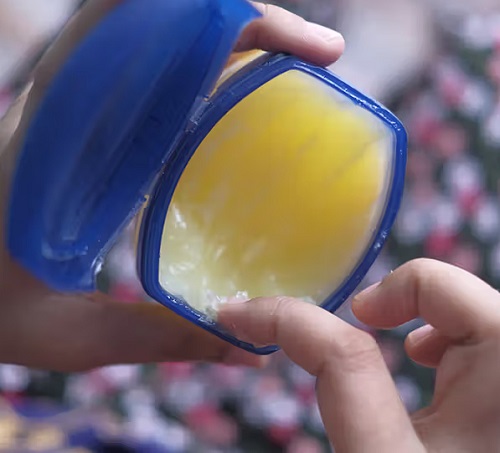
Ending your day with this step will create a protective layer that will prevent nighttime moisture loss. Occlusives like petrolatum, lanolin, or squalane will slow down water evaporation and boost your moisturizer’s power.
This is very helpful if you have extremely dry or over-exfoliated skin. Even the thinnest layer can speed up repair and reduce redness by morning. If you are acne-prone, spot-slug only on flaky areas instead of applying petrolatum all over.
6. Cut Back on Actives While Healing

This step is more about what not to do. When your barrier is compromised, even normally helpful actives like retinol, AHAs, BHAs, and vitamin C can irritate the skin. You should take a break from strong actives, which will give your barrier a chance to rebuild with fewer setbacks.
Do this, and you will see a calmer and less reactive skin within a week of pausing them. You should also reintroduce actives slowly, like once or twice a week, after the skin feels normal again.
7. Protect With Sunscreen

Ending your routine with sunscreen during the day will ensure all your repair efforts don’t go to waste. You should know that UV damage is the fastest way to weaken the skin barrier, even when you stay indoors.
We suggest using mineral sunscreens (like zinc oxide), which are gentler on compromised skin and reduce redness instantly. With daily use, they will help you maintain barrier strength and prevent future sensitivity.
Pro Tip: If sunscreen burns, you can switch to a mineral formula and apply it over a thicker moisturizer.
With a little patience and by following these tips, you will notice smoother, calmer, and more resilient skin returning day by day.