
As an Amazon Associate, we earn a small commission from qualifying purchases — at no extra cost to you.
Spot the early warning signs of mineral deficiency before they affect your health and learn practical ways to fix them fast!

Minerals may be tiny nutrients, but their impact on your health is enormous. When your body runs low, it starts sending subtle signals. This guide will break down the most common mineral deficiencies and exactly how to restore balance.
Early Warning Signs of Mineral Deficiency
1. Magnesium
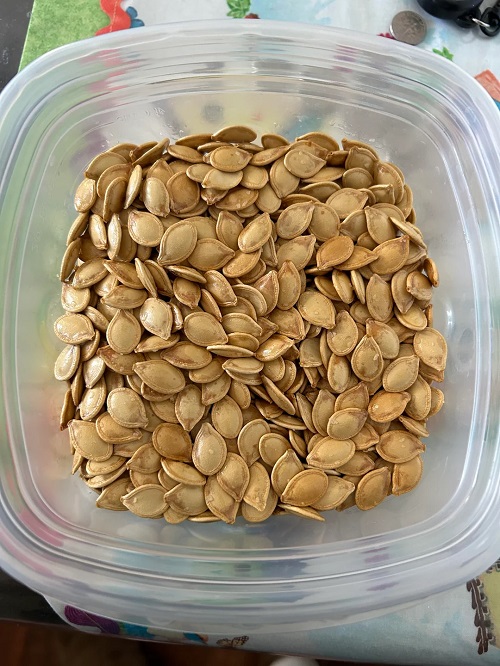
If you are feeling twitchy, crampy, or restless at night, your body could be crying out for magnesium. It is the mineral that keeps your muscles, nerves, and even mood in check. When levels dip too low, you may notice muscle cramps or those mysterious eye twitches that seem to strike at the worst times.
You should aim for 310–420 mg daily, which depends on your age and gender. Spinach, almonds, pumpkin seeds, and even dark chocolate are great sources. For supplements, magnesium glycinate or citrate is absorbed best.
Pro Tip: Treat yourself to an Epsom salt bath. It’s a relaxing way to let magnesium soak through your skin and calm sore muscles.
2. Iron

Sometimes you might feel like you are dragging yourself through the day despite plenty of sleep, and if that is so, you might be low on iron. This mineral powers your red blood cells and keeps oxygen flowing through your body. Deficiency of iron can make you pale, tired, and even give you strange cravings like ice or clay (a condition called pica).
If you are a woman, you need about 18 mg daily, while men need closer to 8 mg. To fulfill the requirements, just load your meals with lentils, chickpeas, and dark leafy greens. For maximum absorption, we suggest pairing these foods with vitamin C sources like citrus or bell peppers.
3. Zinc
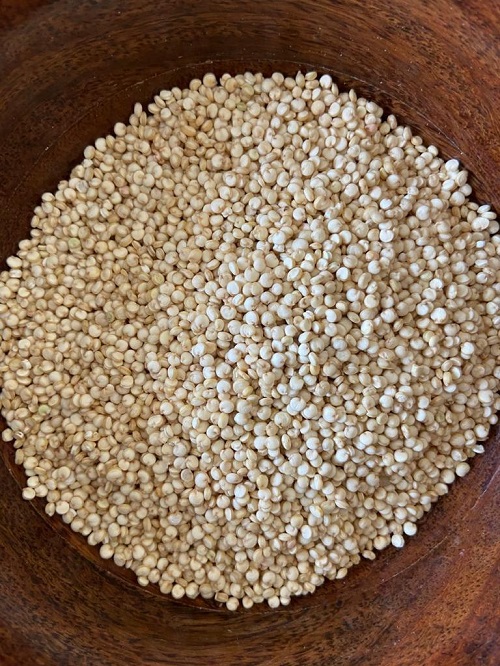
Frequent colds, slow-healing cuts, or dull-tasting food might be your body’s way of whispering, “More zinc, please!” This trace mineral is key for immune function, wound healing, and even for silky and healthy hair growth.
As an adult, you will need around 8–11 mg a day. Stock up on pumpkin seeds, cashews, quinoa, and fortified cereals to meet your needs. If you take a supplement, don’t go overboard, as too much zinc can throw off your copper balance.
Pro Tip: Sprinkle roasted pumpkin seeds over salads or soups. They are crunchy, tasty, and give your immune system a subtle upgrade.
4. Calcium
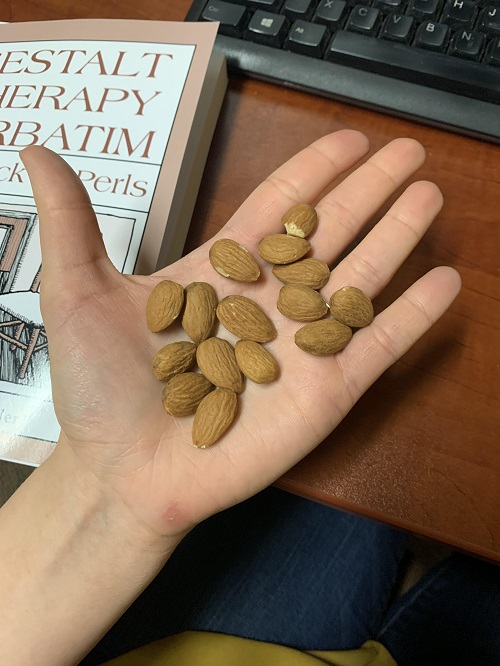
If your nails are brittle, you have had more fractures than usual, or wake up with calf cramps at night, your calcium intake might need attention. Low calcium quietly weakens bones over time as your body “borrows” it from them to keep your blood levels steady.
Most adults should aim for 1,000–1,200 mg per day. Beyond dairy, you can try kale, almonds, tofu, and fortified plant milks. Don’t forget vitamin D because without it, your body won’t absorb calcium efficiently.
5. Potassium

Your constant leg cramps or unexplained fatigue could be a sign that your potassium tank is low. This mineral keeps your heartbeat steady and supports proper muscle contractions, so when it’s lacking, everything feels a bit off.
As an adult, one needs 2,600–3,400 mg per day. If you are low on potassium, boost your intake with avocados, sweet potatoes, beans, and leafy greens. Also, avoid potassium supplements unless prescribed, as excess potassium can be dangerous for your heart rhythm.
Pro Tip: Toss roasted sweet potatoes into grain bowls or salads for a warm, potassium-packed upgrade.
6. Iodine
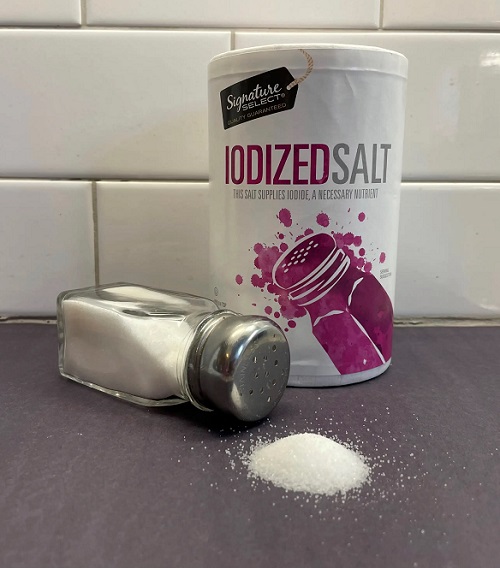
For those who are feeling sluggish or gaining weight for no reason, it can be iodine deficiency. People can also notice swelling around the neck, and iodine deficiency is often the cause. Low iodine can also impact concentration and slow your metabolism.
You only need about 150 mcg daily, which you can easily gain by seaweed snacks, iodized salt, and even cranberries can help you hit your target. Be cautious if you’re on a low-salt diet, as you may need other iodine-rich foods.
7. Selenium
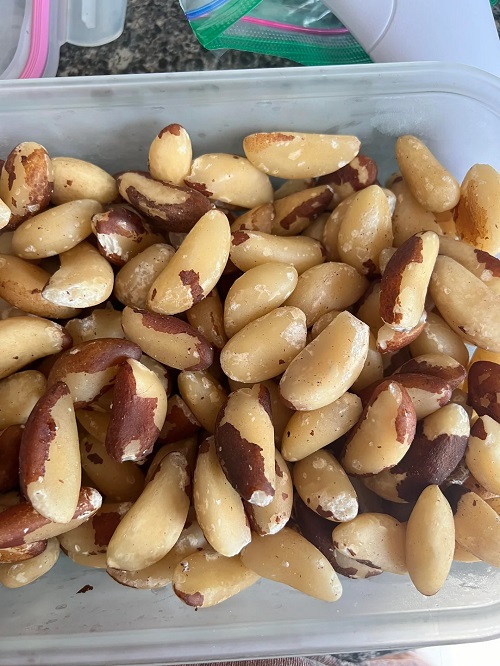
If you are feeling run-down or dealing with brittle nails and hair shedding more than usual, Selenium might be the missing piece. This mineral shields your cells from oxidative stress and supports a strong immune system.
Adults need just 55 mcg per day, and a single Brazil nut can almost meet that requirement. You can also eat sunflower seeds and mushrooms, which are excellent plant-based sources.
Pro Tip: Limit yourself to one or two Brazil nuts a day because too much selenium can actually be harmful over time.
Paying attention to these early red flags can save you from bigger health issues down the line. Remember to add a well-balanced, mineral-rich diet for long-term energy and wellness.